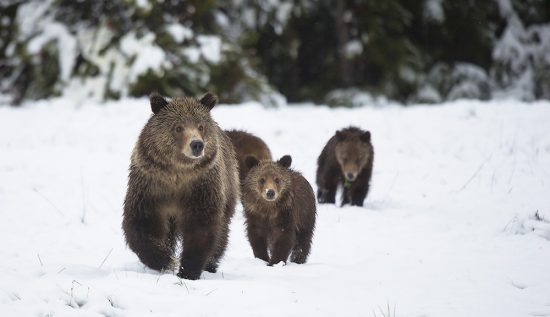
A coalition of conservation organizations has submitted extensive comments opposing the Bureau of Land Management’s proposed Clark Fork Face Forest Health and Fuels Reduction Project, arguing that the project would cause significant harm to grizzly bears, lynx, wolverines, bull trout, and other native wildlife while failing to address the real causes of wildfire risk.
The comments were submitted by the Flathead-Lolo-Bitterroot Citizen Task Force, Friends of the Bitterroot, Western Watersheds Project, Alliance for the Wild Rockies, WildEarth Guardians, Footloose Montana, and wildlife biologist Mike Bader. Together, they argue that the project is less about protecting communities from wildfire and more about promoting industrial timber harvest under the guise of forest health.
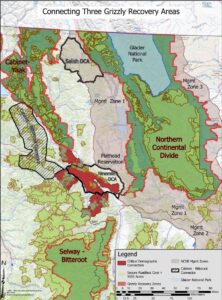
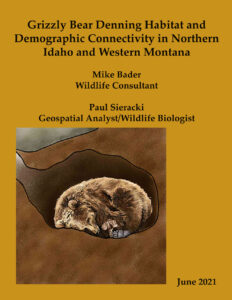
The proposed project would stretch more than 50 miles across the Garnet Mountains east of Missoula—an area that serves as one of the most important wildlife linkage zones in the Northern Rockies. The project lies within the Northern Continental Divide Ecosystem (NCDE) Grizzly Bear Demographic Monitoring Area and provides critical habitat connecting grizzly bears moving between the NCDE and the greater Bitterroot Ecosystem. The area is also designated critical habitat for Canada lynx, supports wolverines, and contains streams designated as critical habitat for threatened bull trout.
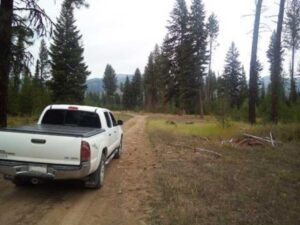
The coalition argues that the BLM’s proposal would significantly increase habitat fragmentation through widespread commercial logging, prescribed burning, and construction of 22 miles of new roads, including 16 miles of permanent roads, while adding another 19 miles of existing roads to the official road system. The groups contend these actions directly conflict with the Northern Continental Divide Grizzly Bear Conservation Strategy, which requires no net increase in permanent public motorized roads within Management Zone 1 to maintain secure habitat and wildlife connectivity.
Road density is one of the report’s greatest concerns. Existing motorized road densities within portions of the project area already exceed 3.5 miles of road per square mile on BLM-managed lands more than three times the road density objective used by Montana Fish, Wildlife & Parks for grizzly bear conservation. The comments argue that adding additional roads would further reduce secure habitat for female grizzly bears, increase displacement, and undermine natural recovery into the Bitterroot Ecosystem.
The coalition also raises serious concerns for Canada lynx. Much of the proposed logging would occur within designated lynx critical habitat where mature, multi-storied forests provide essential denning habitat and support healthy snowshoe hare populations. The groups argue that logging and prescribed burning would remove exactly the mature forest structure lynx depend upon while increasing fragmentation and reducing habitat quality.
For wolverines, the Garnet Mountains serve as a vital dispersal corridor linking larger populations across the Northern Rockies. The comments cite recent scientific studies showing that roads, logging, motorized recreation, and increased human disturbance reduce habitat quality and interfere with the long-distance movements necessary to maintain genetic connectivity between isolated populations.
The project also threatens watersheds that support threatened bull trout. The comments argue that additional road construction, logging on steep slopes, and increased sediment delivery would further degrade already vulnerable aquatic habitats while conflicting with long-standing recovery strategies for native fish.
Beyond the biological concerns, the coalition argues that the BLM failed to comply with the National Environmental Policy Act by providing an inadequate public review process, considering only a “no action” or “proposed action” alternative, and failing to analyze less damaging options that would reduce wildfire risks without extensive commercial logging and new road construction. The comments also allege violations of the Endangered Species Act by failing to use the best available science when evaluating impacts to grizzly bears and other federally protected species.
The groups conclude that protecting wildlife habitat and reducing wildfire risk are not mutually exclusive. Instead of expanding logging and road building in one of western Montana’s most important wildlife landscapes, they urge the BLM to prioritize protecting homes through defensible space around communities, reducing existing road densities, restoring secure wildlife habitat, and preserving the ecological connectivity that allows grizzly bears, lynx, wolverines, and other species to move across the Northern Rockies.
As grizzly bears continue naturally expanding toward the Bitterroot Ecosystem, landscapes like the Garnet Mountains have become increasingly important. Decisions made today will determine whether this critical wildlife corridor remains intact for future generations—or becomes one more fragmented piece of the Northern Rockies.
Download the Comments (PDF)